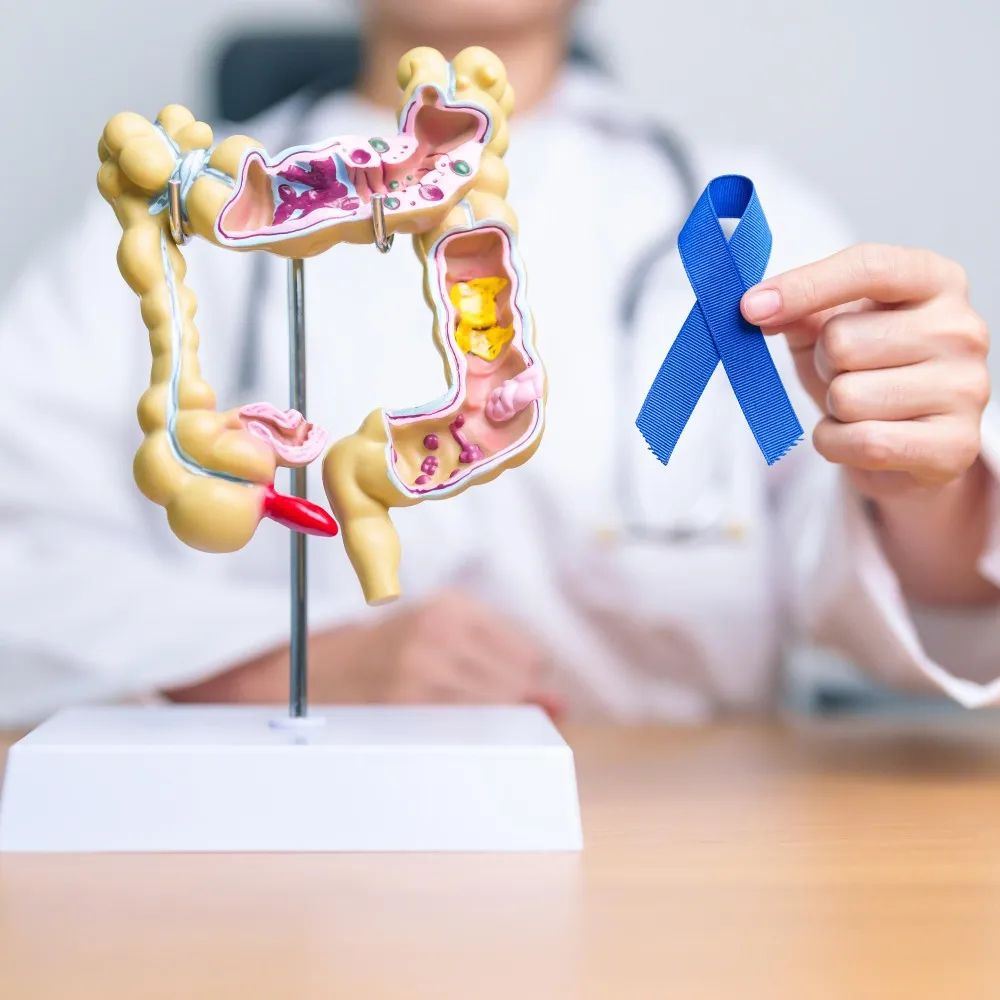
A diagnosis of gastrointestinal (GI) cancer often brings one of the first questions patients ask: What is the best treatment for my condition? The answer is rarely the same for everyone. Modern GI cancer treatment is highly personalized and depends on several medical factors rather than a single standard approach.
Whether the cancer affects the stomach, colon, rectum, pancreas, liver, gallbladder, or esophagus, doctors carefully evaluate the disease before recommending treatment. Specialists such as Dr. Sandeep Sabnis work with multidisciplinary teams to determine the safest and most effective plan for each patient.
Why There Is No One-Size-Fits-All Treatment
GI cancers differ in many ways. Two patients with the same type of cancer may require completely different treatments because their disease stage, overall health, and tumor characteristics are different.
Doctors typically assess:
- The exact type of GI cancer
- Stage of the disease
- Size and location of the tumor
- Whether nearby lymph nodes are involved
- Whether cancer has spread to other organs
- Age and overall fitness of the patient
- Existing medical conditions
These factors help determine whether surgery, chemotherapy, radiation therapy, or a combination of treatments is most suitable.
When Is Surgery Recommended?
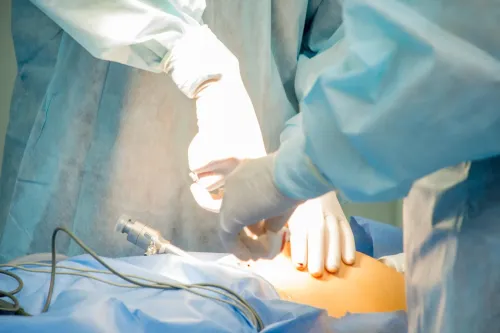
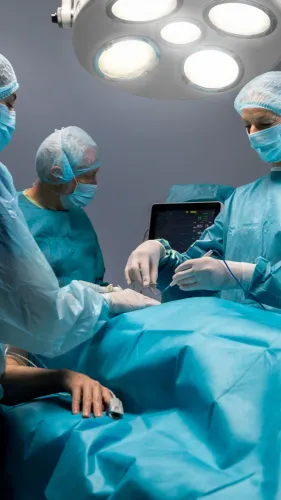
For many gastrointestinal cancers, surgery remains the primary treatment when the disease is detected before it has spread extensively.
Surgery aims to:
- Remove the cancer completely
- Preserve as much healthy tissue as possible
- Improve long-term survival
- Reduce symptoms caused by the tumor
Advances in surgical oncology now allow some patients to benefit from minimally invasive procedures, resulting in smaller incisions, less postoperative pain, and faster recovery.
However, surgery is not always the first step. In some situations, chemotherapy or radiation therapy may be given before surgery to shrink the tumor.
When Chemotherapy Becomes Necessary
Chemotherapy uses medicines to destroy cancer cells or prevent them from multiplying.
It may be recommended:
- Before surgery (neoadjuvant chemotherapy)
- After surgery (adjuvant chemotherapy)
- When cancer has spread
- To reduce the risk of recurrence
- Along with radiation therapy
The type of drugs and duration of treatment depend on the specific cancer and its stage.
Doctors monitor patients closely throughout chemotherapy to manage side effects and adjust treatment if necessary.
Understanding Targeted Therapy
Unlike traditional chemotherapy, targeted therapy focuses on specific proteins or genetic changes within cancer cells.
It may offer benefits such as:
- More precise treatment
- Slower cancer progression
- Better outcomes for selected patients
- Combination with chemotherapy in certain cancers
Not every patient is eligible for targeted therapy. Specialized laboratory testing is often required before this treatment is considered.
How Cancer Specialists in Nashik Personalize Treatment
Cancer care has evolved significantly, and patients in Nashik, Maharashtra, now have access to advanced diagnostic imaging, pathology services, and multidisciplinary treatment planning.
Treatment recommendations are based on detailed investigations rather than symptoms alone.
These may include:
- CT scan
- MRI
- PET-CT scan
- Endoscopy
- Colonoscopy
- Biopsy
- Blood investigations
- Tumor marker evaluation
A carefully planned treatment strategy often improves both safety and long-term outcomes.
Questions Patients Should Ask Before Starting Treatment
Making informed decisions begins with asking the right questions.
Consider discussing:
- What stage is my cancer?
- Is surgery possible?
- Will I need chemotherapy before or after surgery?
- Am I eligible for targeted therapy?
- What are the expected benefits and risks?
- How long will treatment take?
- What lifestyle changes should I make during recovery?
Understanding the answers helps patients feel more confident throughout their treatment journey.
Frequently Asked Questions
Is surgery always the best treatment for GI cancer?
Not always. Treatment depends on the type, stage, and location of the cancer.
Can chemotherapy cure GI cancer?
In some early-stage cancers, chemotherapy supports curative treatment. In advanced cases, it may help control disease progression and improve quality of life.
What is the advantage of targeted therapy?
Targeted therapy acts on specific cancer-related changes, making it suitable for selected patients after appropriate testing.
Can different treatments be combined?
Yes. Many patients receive a combination of surgery, chemotherapy, radiation therapy, or targeted therapy for the best possible outcome.
Choosing the Right Treatment with Confidence
Every gastrointestinal cancer is unique, and successful treatment begins with an accurate diagnosis and personalized care plan. Rather than focusing on a single treatment option, doctors evaluate the complete clinical picture before making recommendations. Patients seeking expert guidance on GI cancer treatment can consult Dr Sabnis for comprehensive evaluation and evidence-based surgical oncology care tailored to their individual needs.
Keywords