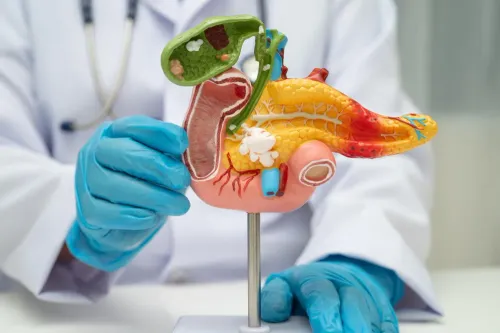

The Whipple procedure is often discussed in patients diagnosed with pancreatic or periampullary cancers, yet many families hear about it for the first time only after detailed investigations begin. Naturally, the name itself can sound intimidating. This highly specialized surgery is usually considered when tumors affect the pancreas, bile duct, or surrounding digestive structures in a way that still allows surgical treatment. At Dr Sabnis Sandeep in Nashik, patients undergoing evaluation for Whipple procedure are guided carefully through scans, biopsy findings, TNM staging, and overall health assessment before treatment planning is finalized. Symptoms leading to diagnosis may include jaundice, appetite loss, abdominal discomfort, weight reduction, back pain, or digestive disturbances that persist for weeks. Modern surgical oncology focuses not only on tumor removal but also on recovery planning, nutritional support, and long-term monitoring after surgery. Families frequently worry about complications, eating patterns, and recovery timelines after pancreatic surgery, making supportive communication an essential part of care. In some cases, targeted therapy in GI cancer or immunotherapy for HPB cancers may also become part of the broader treatment approach depending on pathology findings. Dr Sabnis Sandeep focuses on advanced pancreatic oncology care in Nashik with emphasis on structured surgical planning, patient understanding, and individualized recovery support. Early evaluation of persistent jaundice or unexplained digestive symptoms can play an important role in timely diagnosis and treatment planning for pancreatic cancers requiring specialized surgery.
Keywords