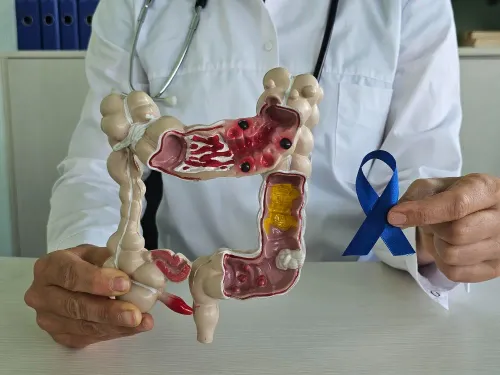
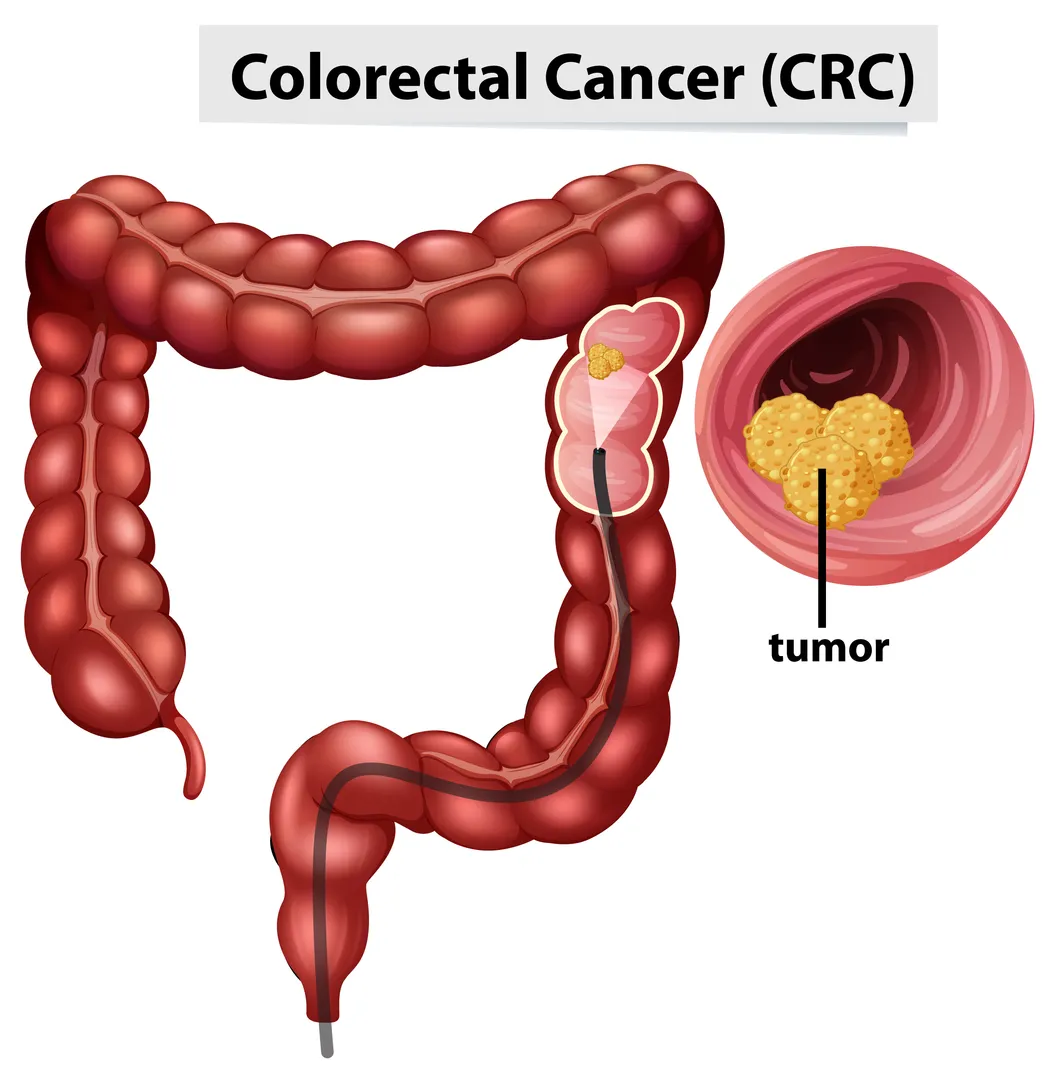
Colorectal cancer is one of the most common cancers affecting both men and women, yet it is also among the most preventable when detected early. It develops in the colon or rectum, often beginning as small, non-cancerous growths called polyps that can gradually turn into cancer if left untreated.
One of the biggest challenges with colorectal cancer is that it may not cause noticeable symptoms in its early stages. By the time obvious warning signs appear, the disease may have already progressed. This makes awareness, regular screening, and timely medical evaluation extremely important.
Specialists like Dr. Sandeep Sabnis regularly assess patients with digestive symptoms to determine whether further investigations are needed and whether surgery or other treatment options may be appropriate.
Understanding How Colorectal Cancer Develops
The colon and rectum are part of the large intestine and play an important role in digestion and waste elimination.
Most colorectal cancers develop slowly over several years. They often begin as polyps, which are abnormal tissue growths inside the colon. While many polyps remain harmless, some can gradually become cancerous if they are not detected and removed.
Routine screening helps identify these growths before they develop into cancer.
Common Symptoms That Should Never Be Ignored
Symptoms vary from person to person, but some warning signs deserve prompt medical attention.
These include:
- Blood in the stool
- Persistent constipation or diarrhea
- Changes in bowel habits lasting several weeks
- Narrow stools
- Unexplained weight loss
- Frequent abdominal cramps
- Feeling that the bowel does not empty completely
- Ongoing fatigue caused by anemia
Many of these symptoms can also occur with non-cancerous digestive conditions. However, persistent symptoms should always be evaluated by a healthcare professional.
Who Is More Likely to Develop Colorectal Cancer?
Although the risk increases with age, colorectal cancer is increasingly being diagnosed in younger adults.
Factors that may increase the risk include:
- Family history of colorectal cancer
- Personal history of colon polyps
- Inflammatory bowel disease
- Obesity
- Smoking
- Excessive alcohol consumption
- Low-fiber diet
- Sedentary lifestyle
- Type 2 diabetes
Having one or more of these risk factors does not necessarily mean cancer will develop, but it does highlight the importance of regular screening.
Why Screening Matters for People in Nashik
Many patients in Nashik, Maharashtra, seek medical care only after symptoms become severe. Unfortunately, colorectal cancer can remain silent during its early stages.
Screening can identify precancerous polyps before they become dangerous and can also detect early-stage cancers when treatment is often simpler and more effective.
People over the age of 45, or those with a family history of colorectal cancer, should discuss screening options with their doctor.
How Colorectal Cancer Is Diagnosed
Doctors use several tests to confirm the diagnosis and determine the stage of cancer.
Common investigations include:
- Colonoscopy
- Biopsy
- CT scan
- MRI
- PET-CT scan
- Blood tests
- Tumor marker evaluation
A colonoscopy remains one of the most valuable tools because it allows doctors to examine the entire colon and remove suspicious polyps during the procedure.
Treatment Options for Colorectal Cancer
Treatment depends on the location, stage, and spread of the disease.
Depending on individual circumstances, treatment may include:
- Surgical removal of the tumor
- Minimally invasive colorectal surgery
- Chemotherapy
- Radiation therapy
- Targeted therapy
- Immunotherapy
Many early-stage colorectal cancers can be treated successfully with surgery alone, while more advanced cases often require a combination of treatments.
Lifestyle Changes That May Reduce Risk
Although not every case can be prevented, healthy habits may lower the overall risk.
Helpful measures include:
- Eating more fruits, vegetables, and whole grains
- Reducing processed meat consumption
- Exercising regularly
- Maintaining a healthy weight
- Avoiding tobacco products
- Limiting alcohol intake
- Undergoing recommended screening
These habits also support overall digestive health and reduce the risk of several chronic diseases.
Frequently Asked Questions
At what age should colorectal cancer screening begin?
Many experts recommend starting routine screening at age 45 for average-risk adults, although earlier screening may be advised for those with higher risk.
Is blood in the stool always a sign of colorectal cancer?
No. Conditions such as hemorrhoids can also cause bleeding, but any persistent or unexplained bleeding should be evaluated.
Can colorectal cancer be cured?
When detected in its early stages, colorectal cancer often has very good treatment outcomes.
Is surgery always necessary?
Not always. Treatment depends on the stage of cancer, but surgery remains one of the primary treatment options for localized disease.
Taking Digestive Symptoms Seriously
Persistent bowel changes should never be dismissed as a minor digestive issue without proper evaluation. Early diagnosis offers more treatment choices and better outcomes. Individuals experiencing ongoing symptoms or those considering colorectal cancer screening may benefit from consulting specialists such as Dr Sabnis, who provide comprehensive evaluation and personalized treatment planning based on each patient's condition.
Keywords