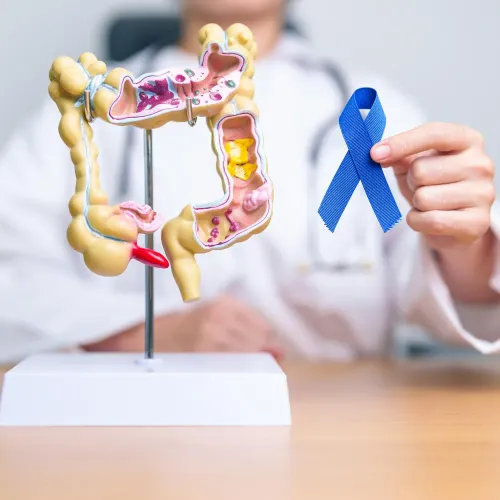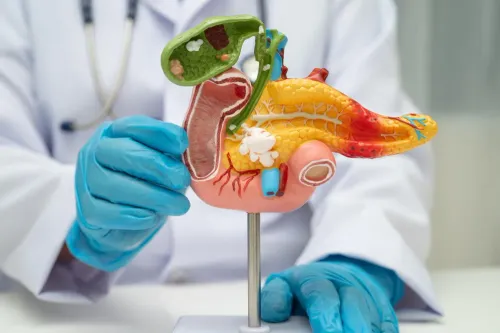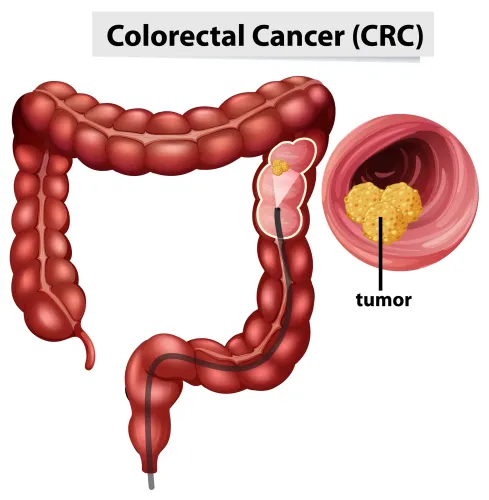
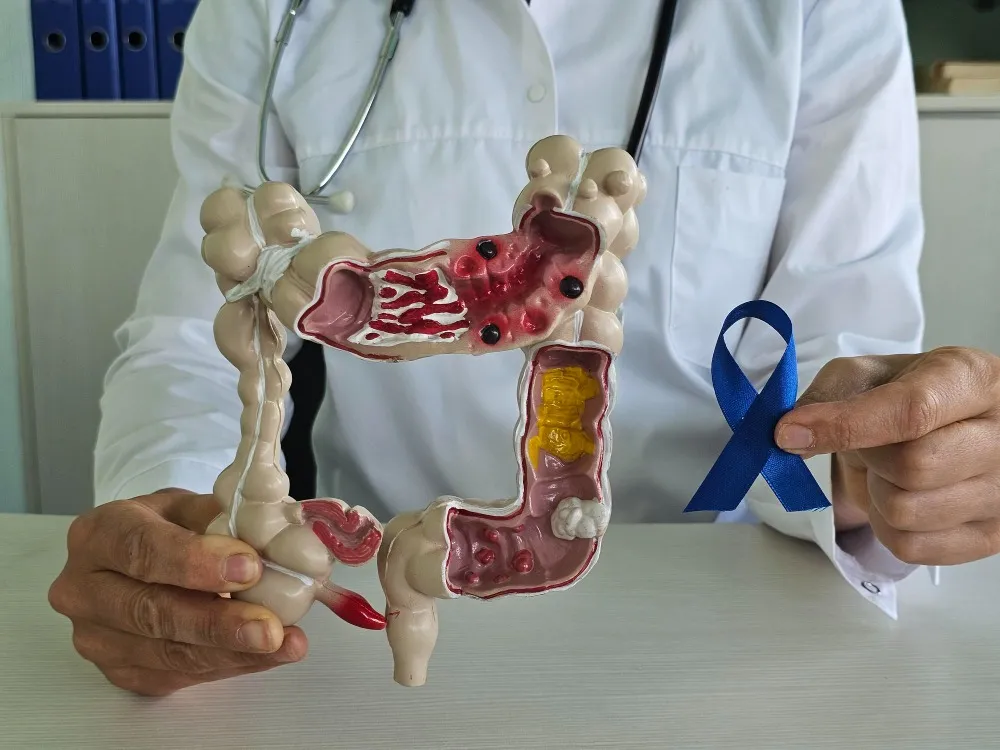
Gastrointestinal (GI) cancer refers to a group of cancers that affect the digestive system, including the stomach, colon, rectum, liver, pancreas, gallbladder, esophagus, and bile ducts. Because these cancers often develop gradually and may not cause obvious symptoms in the early stages, timely awareness plays a major role in improving treatment outcomes.
Many people ignore digestive problems, assuming they are caused by acidity or dietary habits. While common digestive disorders are usually harmless, persistent or unusual symptoms should never be overlooked. Specialists such as Dr. Sandeep Sabnis evaluate these symptoms carefully to identify whether further investigations are needed.
What Is Gastrointestinal Cancer?
Gastrointestinal cancer is not a single disease but a collection of cancers affecting different organs involved in digestion. Some of the commonly diagnosed GI cancers include:
- Stomach cancer
- Colorectal cancer
- Liver cancer
- Pancreatic cancer
- Gallbladder cancer
- Esophageal cancer
- Cholangiocarcinoma (bile duct cancer)
- Hepatocellular carcinoma
Each type has unique characteristics, but many share similar warning signs during the early stages.
Common Symptoms That Should Not Be Ignored
Symptoms vary depending on the affected organ, but some warning signs deserve medical attention if they continue for more than a few weeks.
These include:
- Persistent abdominal pain
- Unexplained weight loss
- Difficulty swallowing
- Blood in stool
- Changes in bowel habits
- Ongoing indigestion
- Frequent vomiting
- Yellowing of the skin or eyes (jaundice)
- Loss of appetite
- Extreme tiredness
While these symptoms do not always indicate cancer, they should be evaluated by a qualified GI cancer specialist.
Who Is at Higher Risk?
Several factors increase the likelihood of developing gastrointestinal cancer.
Some common risk factors include:
- Smoking and tobacco use
- Excessive alcohol consumption
- Obesity
- Family history of cancer
- Long-standing inflammatory bowel disease
- Chronic hepatitis infection
- Fatty liver disease
- Poor dietary habits
- Increasing age
People with multiple risk factors should undergo regular health check-ups and cancer screening whenever recommended.
Why Early Diagnosis Matters in Nashik
One of the biggest advantages of identifying GI cancer early is that treatment options are often more effective and less extensive.
Patients across Nashik, Maharashtra, are becoming increasingly aware of preventive health check-ups and early cancer screening. Detecting a tumour before it spreads may allow for minimally invasive surgery, faster recovery, and improved long-term survival.
Ignoring symptoms, on the other hand, may delay diagnosis until the disease reaches a more advanced stage.
How Gastrointestinal Cancer Is Diagnosed
Doctors use several diagnostic methods depending on symptoms and suspected cancer type.
Common investigations include:
- Blood tests
- Endoscopy
- Colonoscopy
- CT Scan
- MRI
- PET-CT Scan
- Biopsy
- Ultrasound
A biopsy remains the most reliable way to confirm the presence of cancer.
Available Treatment Options
Treatment depends on several factors including:
- Type of cancer
- Stage of disease
- Overall health
- Patient's age
- Whether cancer has spread
Treatment may involve:
- Cancer surgery
- Minimal access surgery
- Chemotherapy
- Radiation therapy
- Targeted therapy
- Immunotherapy
- Combination treatment
In many cases, surgery forms the foundation of treatment, especially when cancer is diagnosed at an early stage.
Can Gastrointestinal Cancer Be Prevented?
Although not every case can be prevented, healthy lifestyle choices significantly reduce the overall risk.
Helpful preventive measures include:
- Eating a fibre-rich diet
- Limiting processed meat
- Maintaining healthy body weight
- Exercising regularly
- Avoiding tobacco
- Limiting alcohol intake
- Managing diabetes and liver disease
- Participating in recommended cancer screening
Small lifestyle changes made consistently can make a meaningful difference over time.
Frequently Asked Questions
Is gastrointestinal cancer hereditary?
Some GI cancers have a genetic component, but many occur without a family history.
What age is GI cancer more common?
The risk generally increases after the age of 50, although younger adults can also be affected.
Can acidity be mistaken for GI cancer?
Yes. Persistent acidity or indigestion that does not improve with treatment should be evaluated further.
Does every digestive symptom indicate cancer?
No. Most digestive complaints have non-cancerous causes, but persistent or unexplained symptoms deserve medical assessment.
Moving Forward with Confidence
Learning about gastrointestinal cancer helps people recognize symptoms earlier and make informed healthcare decisions. Early diagnosis often expands treatment options and improves recovery outcomes. Patients seeking evaluation for persistent digestive concerns may benefit from consulting experienced surgical oncologists like Dr Sabnis, who assess each case individually and recommend evidence-based treatment plans tailored to the patient's condition.
Keywords