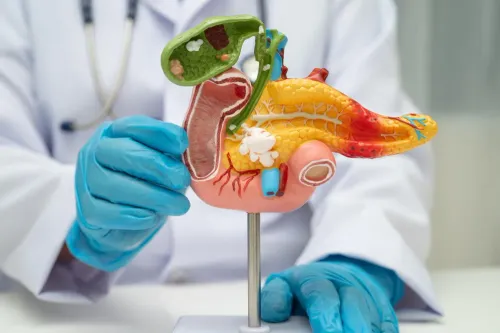

Hepato-Pancreato-Biliary (HPB) cancers are among the most complex cancers affecting the digestive system. They involve organs that play a vital role in digestion and metabolism, including the liver, pancreas, gallbladder, and bile ducts. Because these cancers may not produce noticeable symptoms during the early stages, many patients receive a diagnosis only after the disease has progressed.
Understanding HPB cancer can help individuals recognize warning signs earlier and seek timely medical evaluation. Experienced surgical oncologists, including Dr. Sandeep Sabnis, often manage these conditions using a multidisciplinary treatment approach.
What Are HPB Cancers?
HPB cancers include several different types of cancer affecting interconnected digestive organs.
They commonly include:
- Liver cancer
- Pancreatic cancer
- Gallbladder cancer
- Cholangiocarcinoma (bile duct cancer)
- Hepatocellular carcinoma
Although these cancers develop in different organs, they frequently require specialized imaging, surgical planning, and coordinated cancer care.
Why Are HPB Cancers Difficult to Detect?
Many HPB cancers grow silently.
Early symptoms may resemble common digestive disorders, making diagnosis challenging.
Patients may experience:
- Mild abdominal discomfort
- Poor appetite
- Nausea
- Unexplained weight loss
- Fatigue
As the disease progresses, more noticeable symptoms can develop, including jaundice, severe abdominal pain, back pain, dark urine, or pale stools.
Recognizing persistent symptoms early improves the chances of successful treatment.
Risk Factors Associated with HPB Cancer
Several medical and lifestyle factors may increase the risk.
These include:
- Chronic hepatitis B or C
- Liver cirrhosis
- Fatty liver disease
- Diabetes
- Smoking
- Obesity
- Chronic pancreatitis
- Gallstones
- Family history of certain cancers
Having one or more risk factors does not guarantee cancer, but it does justify regular medical evaluation.
Advanced Diagnosis for Patients in Nashik
People living in Nashik, Maharashtra, now have better access to advanced imaging and specialized cancer diagnostics than ever before.
Doctors typically evaluate HPB cancers using:
- CT scans
- MRI
- PET-CT scans
- Endoscopic ultrasound
- Blood investigations
- Tumour markers
- Biopsy
Each investigation helps determine the exact location, stage, and extent of disease before treatment planning begins.
Treatment Depends on Individual Needs
There is no single treatment suitable for every patient.
Doctors consider:
- Cancer type
- Tumour size
- Spread to nearby organs
- General health
- Liver function
- Surgical fitness
Treatment may involve:
- Curative surgery
- Minimal access surgery where appropriate
- Chemotherapy
- Radiation therapy
- Targeted therapy
- Immunotherapy
- Supportive care
For many patients, surgery offers the best opportunity for long-term disease control when the tumour is detected early.
The Importance of Specialized Surgical Care
HPB surgeries are technically demanding because they involve major blood vessels and delicate digestive structures.
A surgeon with focused expertise in gastrointestinal and HPB oncology can carefully evaluate whether surgery is feasible and recommend the most appropriate treatment sequence.
This individualized planning helps improve both safety and long-term outcomes.
Frequently Asked Questions
Are HPB cancers curable?
Some HPB cancers can be successfully treated when diagnosed early and managed appropriately.
Is pancreatic cancer always fatal?
No. Outcomes depend on the stage, overall health, and available treatment options.
Can gallstones cause gallbladder cancer?
Most people with gallstones never develop cancer, but long-standing gallbladder disease may increase the risk in certain individuals.
When should I see an HPB specialist?
Persistent jaundice, unexplained abdominal pain, unexplained weight loss, or abnormal liver imaging should be evaluated without unnecessary delay.
Understanding Your Options
A diagnosis of HPB cancer can feel overwhelming, but modern cancer care offers several treatment options depending on the stage and type of disease. Early evaluation remains the most important step. Patients requiring assessment for liver, pancreatic, gallbladder, or bile duct cancers may consider consulting specialists such as Dr Sabnis, who provide comprehensive surgical oncology evaluation and personalized treatment planning based on each patient's clinical condition.
Keywords