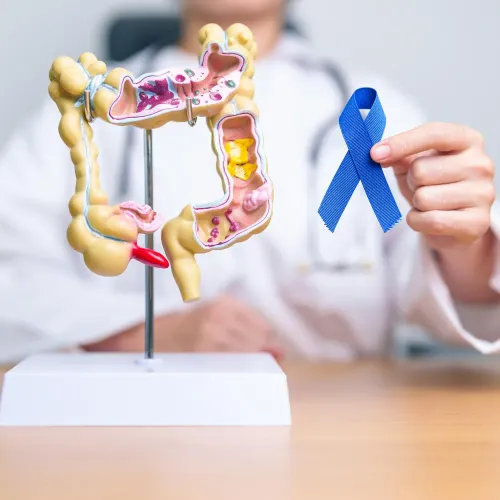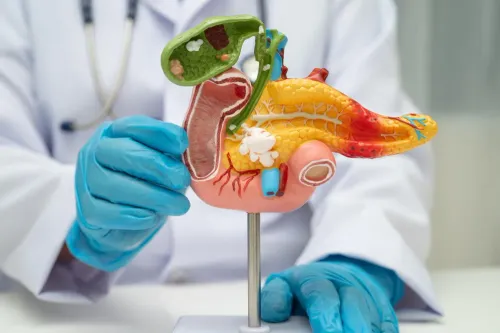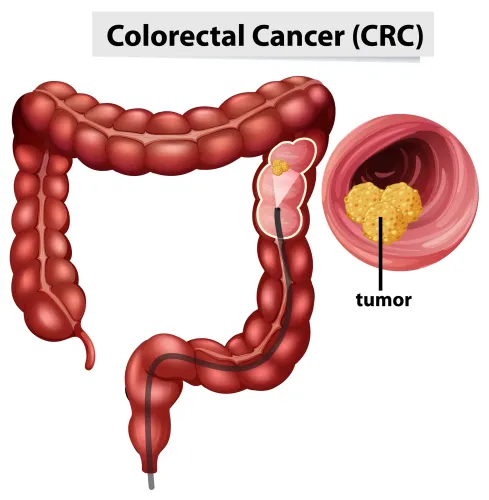



HPB cancers involve highly sensitive organs such as the pancreas, liver, gallbladder, and bile ducts, making diagnosis and treatment more complex than many other conditions. Patients often come across unfamiliar medical terms like hepatocellular carcinoma, cholangiocarcinoma, or ampullary carcinoma and immediately feel anxious about what lies ahead. At Dr Sabnis Sandeep in Nashik, consultations are designed to help patients and families understand each stage of the condition more clearly while building confidence around treatment planning. Many HPB cancers do not produce strong symptoms initially, which is why persistent jaundice, appetite loss, abdominal discomfort, unexplained weight loss, or fatigue should not be ignored. Careful evaluation through imaging studies, AFP test, CA 19-9 marker assessment, biopsy findings, and TNM staging helps determine the most suitable management approach. Surgical oncology plays an important role in several HPB cancers, especially when procedures like liver resection or Whipple procedure become necessary for pancreatic or bile duct tumors. While these surgeries are often considered major procedures, modern oncology care focuses heavily on detailed planning, post-surgical monitoring, and supportive recovery strategies. Patients today are also increasingly aware of targeted therapy in GI cancer and immunotherapy for HPB cancers, which may become part of broader treatment discussions depending on pathology and staging. Dr Sabnis Sandeep provides advanced oncology care in Nashik with a focus on personalized guidance, patient education, and structured cancer management that supports both medical and emotional needs during treatment.