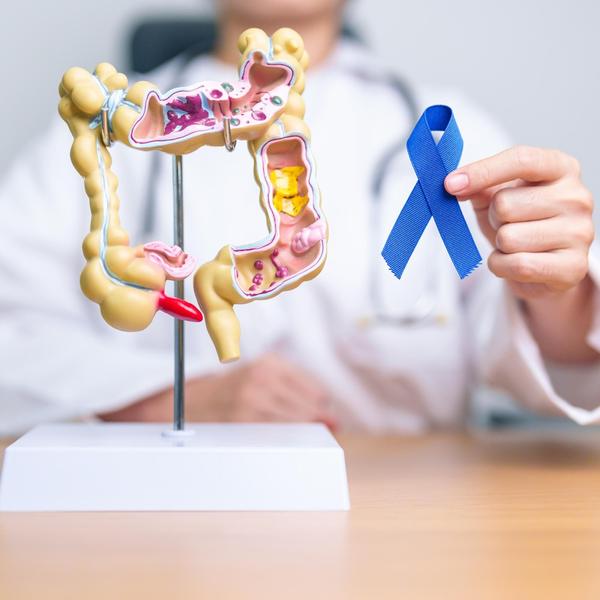



Digestive discomfort is something many people try to manage quietly. A little bloating, irregular bowel habits, acidity after meals, or unexplained fatigue often gets linked to stress or food habits. But when these symptoms continue for weeks or slowly become more noticeable, they may require deeper evaluation. Gastrointestinal cancers sometimes begin silently, without dramatic warning signs in the early stages. At Dr Sabnis Sandeep in Nashik, many patients share that they delayed consultation because the symptoms initially seemed minor. That is why awareness around gastrointestinal cancer has become increasingly important today. Conditions involving the stomach, colon, rectum, pancreas, liver, and esophagus require careful diagnosis supported by imaging, endoscopy, biopsy studies, and staging evaluations. Tests such as CA 19-9 marker and CEA marker also help in understanding disease progression in selected cases. Modern GI cancer treatment is far more structured and patient-focused than before, with minimally invasive approaches like laparoscopic GI surgery being considered wherever clinically suitable. Families often feel overwhelmed after hearing medical terms related to cancer staging or surgery, so having detailed conversations with a gastrointestinal cancer surgeon can help bring clarity during uncertain situations. Dr Sabnis Sandeep focuses on advanced oncology care with careful surgical planning, compassionate communication, and individualized treatment guidance for patients across Nashik. Early evaluation of ongoing digestive symptoms may support timely intervention and more treatment possibilities before the disease progresses further.